A full vision and eye health evaluation with digital retinal imaging, for every age, in about an hour.
A comprehensive eye exam at Modo Optometry covers both how well you see and how healthy your eyes are. We measure your prescription at distance and near, evaluate the front and back of the eye, and image the retina so nothing is left to guesswork.
Our optometrists screen for conditions like glaucoma, cataracts, diabetic changes, and macular degeneration, which often develop quietly for years before you notice a symptom. Catching them early is usually the difference between monitoring a condition and treating one.
You leave the appointment knowing exactly what changed since last year, what it means for your vision, and what to do next, whether that is a new prescription, a lens recommendation, or a follow-up visit on the calendar.
We refine your prescription for glasses and contacts at distance, intermediate, and near, then confirm it against the way you actually use your eyes day to day, from dual monitors to night driving to reading in bed.
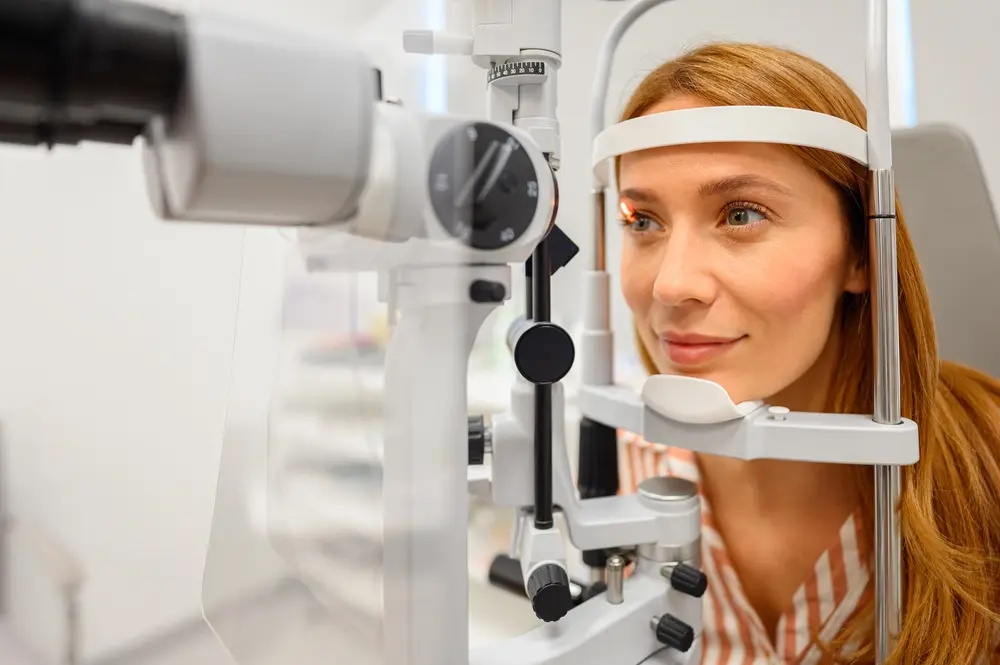
A slit lamp examination of the cornea, lens, lids, and lashes, plus intraocular pressure testing. This is where dry eye, early cataract changes, and pressure elevations that point toward glaucoma are first identified.
High-resolution photographs of the retina, macula, and optic nerve are captured and stored, so we can compare your images year over year and spot subtle change long before it becomes something you can feel.
Once your prescription is final, our opticians walk you through lens materials, coatings, progressive designs, and frame fit, matched to your prescription strength, budget, and how you spend your day.
Most adults should be examined once a year, and sooner if anything has changed. If any of the following sounds like you, it is time to schedule a comprehensive exam.
We confirm your insurance benefits, review your medical and family history, and talk through your vision goals and any symptoms before you sit down in the chair, so the exam is built around what matters to you.
Auto-refraction gives us a starting point, intraocular pressure is measured, and digital retinal photographs are captured. Most patients do not need dilation, which means no blurred afternoon after the appointment.
One of our optometrists refines your refraction by hand, then performs a full front-to-back health evaluation with the slit lamp, reviewing the cornea, lens, retina, macula, and optic nerve in detail.
We pull your retinal images up on screen, walk through what has changed since last year in plain language, answer your questions, and agree on a plan, whether that is monitoring, treatment, or a new prescription.
If you need glasses or contacts, our opticians help you choose frames and lenses that suit your prescription and lifestyle. We schedule any follow-up visits and send you out with everything in writing.
Same-week appointments are usually available, and we verify your benefits before you arrive.
School vision screenings check distance sight and little else, so plenty of learning-related vision problems slip through. We test focusing, tracking, and eye teaming alongside prescription, and we track myopia progression year over year so we can intervene before it accelerates. Exams are paced for kids, with plain explanations for parents at the end.
This is the decade where digital eye strain shows up: long days on screens, dry irritated eyes by mid-afternoon, and headaches that feel like fatigue. We check your prescription for the working distances you actually use, evaluate contact lens fit and comfort, and capture baseline retinal imaging that every future exam is measured against.
Reading vision naturally changes after 40, and the risk of cataracts, glaucoma, and macular degeneration climbs with each decade. Exams at this stage lean harder on imaging and pressure testing, with closer monitoring intervals when we see early change. We also spend real time on progressive lens options so reading and distance both work.
Two visits can look identical in the chair and be billed completely differently. Which one applies depends on why you came in, not on what we find.
Not sure which one your visit falls under? Call us at (310) 305-2950 and we will check your benefits before you come in.
| Routine Eye Exam | Medical Eye Exam | |
|---|---|---|
| Purpose | Update prescription, check overall eye health | Diagnose or treat an eye condition or symptom |
| Typical reason | Annual exam, blurry vision, new glasses or contacts | Pink eye, dry eye, floaters, injury, diabetic evaluation |
| Billed to | Vision plan (VSP, EyeMed, or Heritage) | Medical insurance (Blue Shield or Medicare) |
| What you pay | Vision plan copay | Medical copay, deductible may apply |
| Includes refraction | Yes | Sometimes, may be a separate fee |
| Follow-up visits | Usually once a year | As needed until the issue resolves |
Every comprehensive exam includes high-resolution retinal photography, and we keep those images on file for as long as you are a patient. Comparing this year against last year is what makes subtle change visible: a slightly larger optic nerve cup, an early drusen deposit at the macula, a small retinal hemorrhage that points to blood pressure. None of that produces symptoms in the early stages, which is exactly why we look for it rather than wait for you to notice something.
Children get functional vision testing and myopia tracking because their prescriptions are still moving. Adults get strain assessment and contact lens support because their eyes work eight hours a day on screens. Patients past 40 get closer disease monitoring and real time spent on reading solutions. Same appointment slot, same thorough workup, but the emphasis shifts to match the person in the chair, and the recommendations we make reflect that.
We accept VSP, EyeMed, Heritage, Blue Shield, and Medicare. Our team verifies your benefits before your appointment so there are no surprises at checkout. We will tell you exactly what your plan covers, what your copay will be, and what any lens upgrades cost before you commit to anything. If you are out of network, we can still see you and provide itemized paperwork for reimbursement.
Don't see your plan? We're happy to check. Many out-of-network plans still reimburse a portion of your exam, and we provide the paperwork you need. Call (310) 305-2950 to verify your benefits before your visit.
Comprehensive eye care with a focus on ocular disease management and specialty contact lens fittings.
Comprehensive exams for all ages, dry eye treatment, and pediatric myopia management.
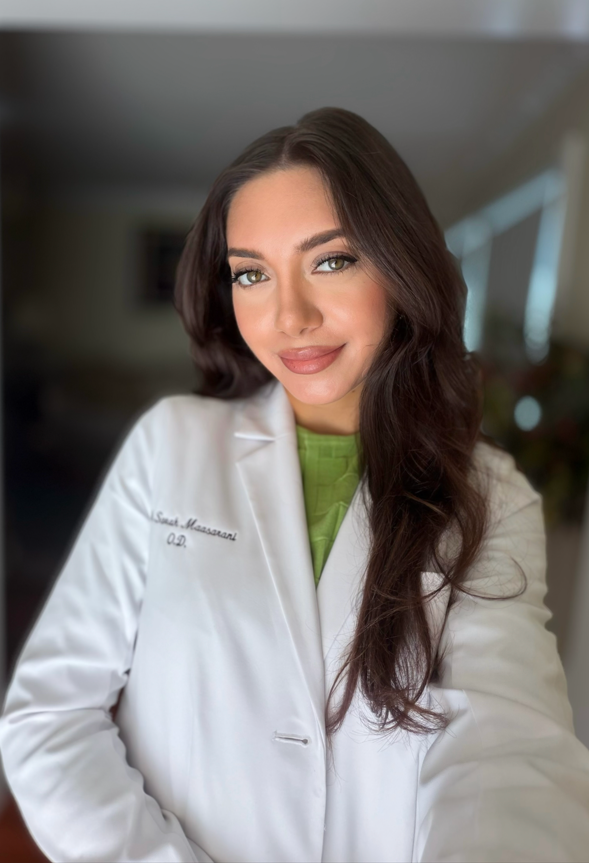
Board-certified optometrist with residency training in ocular disease and a focus on preventive, patient-centered care.
Office Hours
| Monday | 10:00am – 6:00pm |
| Tuesday | 10:00am – 6:00pm |
| Wednesday | 10:00am – 6:00pm |
| Thursday | 10:00am – 6:00pm |
| Friday | 10:00am – 6:00pm |
| Saturday | 10:00am – 6:00pm |
| Sunday | 11:00am – 4:00pm |
Plan on 45 to 60 minutes from check-in to checkout. That covers history, pre-testing, retinal imaging, and unhurried time with the doctor going through your results. Add another 15 to 20 minutes if you are selecting frames or lenses afterward, since fitting and lens choices deserve real attention. If you are short on time, tell us when you book and we will schedule you into a slot that fits.
Once a year is right for most patients, even with stable vision, because the health screening matters as much as the prescription check. Children, contact lens wearers, anyone with diabetes or high blood pressure, and patients with a family history of glaucoma or macular degeneration should not stretch past twelve months. If we find something worth watching, we will recommend a shorter interval and explain why.
Usually not. Our digital retinal imaging captures a wide, high-resolution view of the retina and optic nerve without drops, so most patients leave with normal vision and can drive straight back to work. If the doctor needs a wider peripheral view, or if your history calls for it, we will explain why and get your agreement before using dilating drops.
We accept VSP, EyeMed, Heritage, Blue Shield, and Medicare. We verify benefits before your visit, so you know your copay in advance. Call us at (310) 305-2950 with your plan details and we will confirm coverage, tell you what the exam includes, and flag anything billed separately such as contact lens fittings. Out-of-network patients receive itemized paperwork for reimbursement.
No, a contact lens evaluation and fitting is billed as a separate service from the comprehensive exam. It requires additional corneal measurements, lens selection, a trial period, and a follow-up visit to confirm fit and comfort. We quote the fee up front, and most vision plans include a contact lens allowance that offsets part or all of it.
Yes, and we encourage it. We routinely schedule families into back-to-back slots so everyone is examined in one trip rather than three. Let us know how many people you are bringing and their ages when you book, and we will reserve enough time for each person without rushing anyone through the exam.
Bring your current glasses and contact lens boxes or prescription, your vision and medical insurance cards, a photo ID, and a list of any medications you take, since several affect the eyes. If you have had eye surgery or been treated for an eye condition elsewhere, records from that provider help us establish an accurate baseline.
Yes. We treat red eyes, infections, styes, corneal abrasions, foreign bodies, sudden floaters, and other urgent eye problems, and these visits are typically billed to your medical insurance rather than your vision plan. Call us as early in the day as you can and we will fit you in. For sudden vision loss or severe trauma, seek emergency care immediately.
Same-week appointments are usually available. Book online in under a minute or give us a call.