An unhurried evaluation with a licensed optometrist, and a plan discussed with you before anything begins.
Dry eye is a symptom, not a single condition, and the same complaints can come from very different causes. That is why the visit starts with an evaluation rather than a product. We look at the surface of the eye, the tear film, and the lid margins, and we listen to how the discomfort behaves across your day.
The conversation matters as much as the exam. When symptoms are worst, how long they have been going on, what you have already tried, how many hours you spend on screens, which medications you take, and whether you wear contact lenses all shape what the doctor looks for and what gets discussed at the end of the visit.
You leave with a clear explanation of what we found, options laid out in plain language, and an agreed plan with nothing started before you have said yes to it. If a follow-up makes sense to see whether things are improving, we schedule it before you leave rather than waiting for symptoms to return.
Blink rate drops sharply during focused screen work, which leaves the surface of the eye exposed for longer between blinks. Long stretches on monitors, phones, and tablets are one of the most common patterns we hear about, and the doctor will ask how your day is structured.
Air conditioning, ceiling fans, car vents, coastal wind, and dry indoor air all pull moisture from the eye surface faster than it can be replaced. Where you work and how you commute often explains why symptoms are worse on some days than others.
Tear production and tear composition change over time, and hormonal shifts can change them further. This is one of the factors the doctor reviews in your history, because it helps explain a gradual change in comfort that has no obvious external trigger.
A number of common medications, including antihistamines, some blood pressure medications, and certain antidepressants, list dryness among their effects. Bring a current list to your visit so the doctor can factor it into the discussion rather than working around a gap.
Lens material, replacement schedule, and hours of wear all interact with the tear film. Comfort that has declined over months of wear is worth evaluating, since the fit and the surface of the eye are usually part of the same conversation.
The lid margins and the glands along them contribute to how the tear film holds together, and several systemic conditions influence the eye surface as well. The doctor examines the lids directly and reviews your general health history with you.
Dry eye discomfort can come from many everyday factors. If you notice any of the patterns below, an evaluation can help identify what is contributing and how to address it. Bring your current drops and medication list to the visit.
We start with a conversation: when the discomfort shows up, how long it has been happening, what makes it better or worse, what you have already tried, and how it affects work, driving, and reading. Bring your medication list and any drops you currently use.
We confirm your current prescription and check whether vision fluctuates through the day, since blur that clears on a blink points somewhere specific. This also rules out an out-of-date prescription contributing to the eye strain you have been feeling.
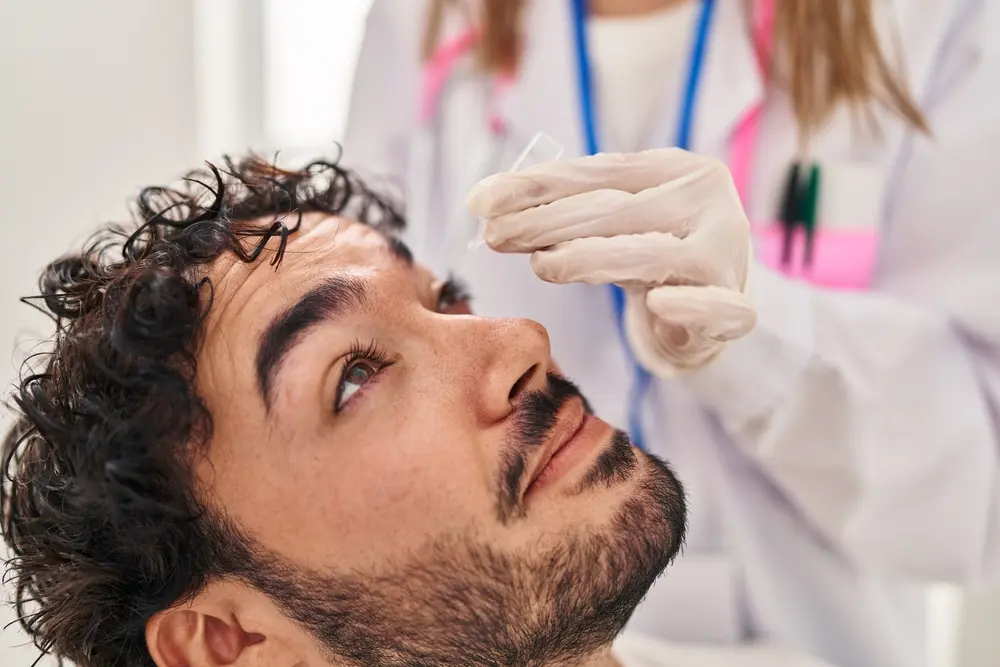
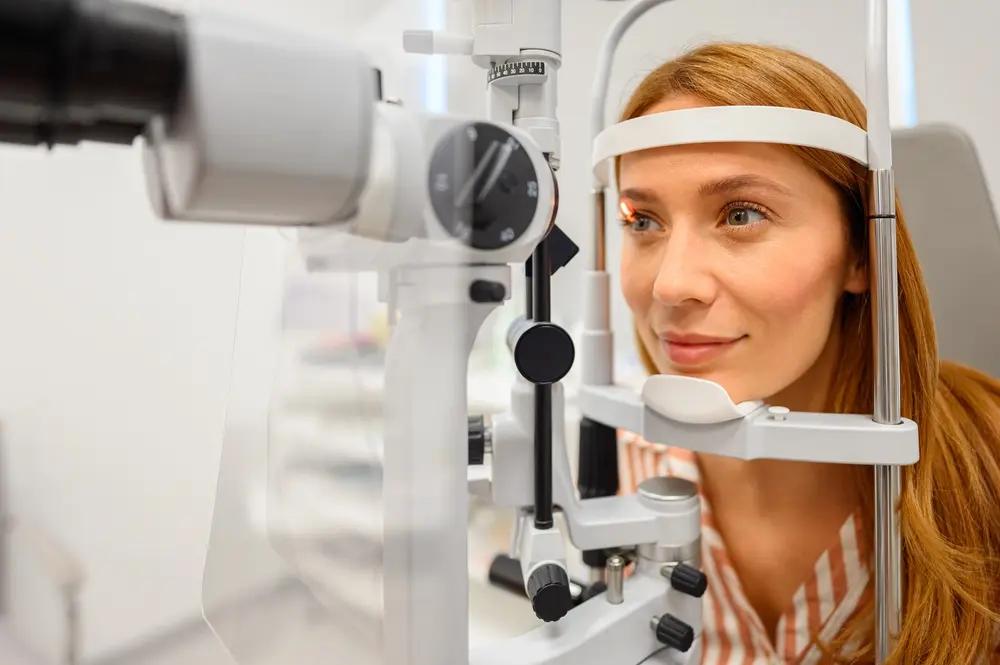
The doctor examines the tear film and the surface of the eye under the slit lamp, looking at how the tears behave between blinks and whether the surface shows signs of exposure. This is the part of the visit that separates similar-sounding complaints.
The lid margins, lashes, and the glands along the lid are examined closely, because the oily layer of the tear film comes from there. What the doctor finds here often shapes which options are worth discussing and which are not.
We walk through what was found in plain language, lay out the options in order, and agree on a starting point together. Nothing begins without your say. If a follow-up is appropriate to check progress, we schedule it before you leave.
Appointments are usually available the same week, and we verify your benefits before you arrive.
Most conversations start with the least invasive options: adjusting screen habits and blink breaks, changing the air moving across your face at work and in the car, reviewing hydration and sleep, warm compresses and lid hygiene where the exam supports it, and over-the-counter lubricating drops used on a schedule rather than only when things feel bad. The doctor explains what each one is meant to do, how long to give it before judging, and what improvement should look like. You leave with a written routine and a follow-up visit to review whether it is working.
If the first approach has had a fair trial and symptoms persist, the doctor revisits the plan with you. Depending on what the examination showed, the discussion may move to prescription therapies aimed at the underlying process, in-office procedures performed at the practice, or supplements and lid-focused treatments. Each option is explained in terms of what it involves, how long it typically takes to show a difference, and what it costs, with your benefits confirmed in advance. Timing matters here, so we agree on a review point rather than leaving it open-ended.
A smaller number of patients need options considered later in the process, and these are always discussed individually rather than offered from a list. That conversation covers what the option involves, what to expect before and afterward, realistic timelines, and the alternatives you are choosing between. Where a systemic cause or another specialty is involved, we coordinate with your primary care physician or refer to a specialist and stay involved in the follow-up. Nothing proceeds without a full conversation and your agreement first.
Lubricating drops work better as a routine than as a rescue. If the doctor recommends them, use them at set points in the day rather than waiting for discomfort, and bring the bottle to your follow-up so we can see what you have been using.
Look away from the screen periodically and blink fully and deliberately for a few seconds. Lowering your monitor slightly so your lids cover more of the eye surface helps too. Small structural changes to a long workday tend to outlast willpower.
Redirect car vents and desk fans away from your face, and consider a humidifier in rooms where you spend long stretches. Coastal wind and air conditioning are frequent culprits, and shielding the eyes outdoors makes a noticeable difference for some patients.
Jot down when symptoms are worst and what you were doing, along with anything you tried. A week of notes gives the doctor far more to work with at your follow-up than a general impression, and it often reveals a pattern you had not noticed.
We accept VSP, EyeMed, Heritage, Blue Shield, and Medicare. We verify your benefits before the appointment so costs are clear in advance, including whether your dry eye visit is covered under medical or vision benefits. Out-of-network patients are welcome and receive itemized paperwork for reimbursement.
Our front desk confirms your coverage with your carrier before your visit, including whether the appointment falls under your medical benefits or your vision plan, what your copay will be, and whether a deductible applies. If any part of the plan we discuss carries a separate cost, you get an estimate before anything is scheduled, not after. Follow-up visits are handled the same way. If your plan is out of network, we will tell you up front and provide itemized documentation for reimbursement. Questions about a statement? Call (310) 305-2950 and ask for the front desk.
Comprehensive eye care with a focus on ocular disease management and specialty contact lens fittings.
Comprehensive exams for all ages, dry eye treatment, and pediatric myopia management.
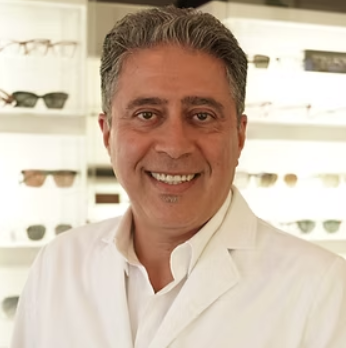
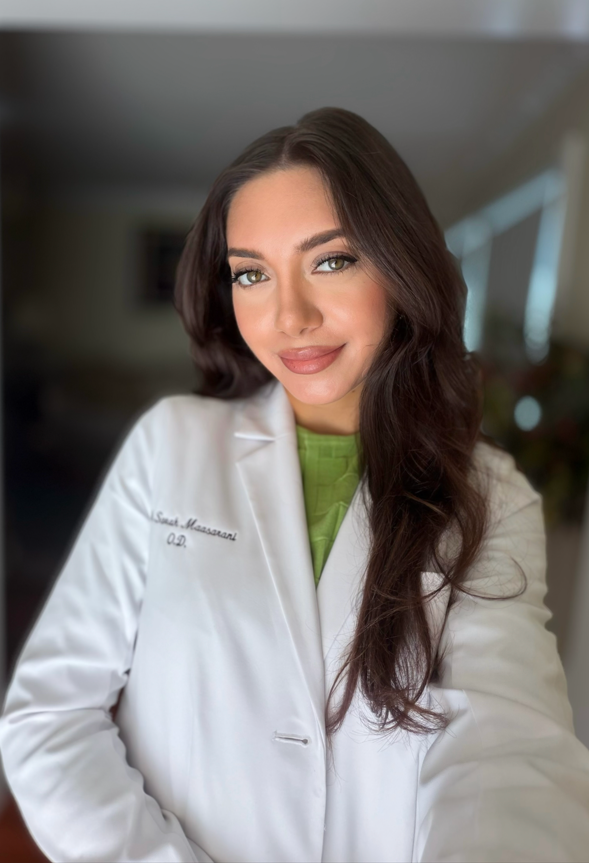
Board-certified optometrist with residency training in ocular disease and a focus on preventive, patient-centered care.
Office Hours
| Monday | 10:00am – 6:00pm |
| Tuesday | 10:00am – 6:00pm |
| Wednesday | 10:00am – 6:00pm |
| Thursday | 10:00am – 6:00pm |
| Friday | 10:00am – 6:00pm |
| Saturday | 10:00am – 6:00pm |
| Sunday | 11:00am – 4:00pm |
Plan on 45 minutes to an hour. A meaningful portion of that is conversation, because how symptoms behave across your day tells the doctor as much as the examination does. The rest covers a vision check, a slit lamp evaluation of the tear film and eye surface, and a close look at the lid margins, followed by unhurried time going through the findings and agreeing on where to start.
It sounds contradictory but it is one of the most common things we hear. An irritated eye surface can trigger a reflex response, which produces watering that does not necessarily relieve the underlying irritation. That is exactly why the visit starts with an evaluation rather than a product recommendation, and why the doctor asks when the watering happens rather than treating it as a standalone symptom.
Bring them in rather than stopping without discussing it. Knowing what you have used, how often, and whether it helped is genuinely useful information, and the bottle itself tells the doctor more than the name usually does. We will talk through whether what you are using fits what the examination showed, and whether the way you are using it needs adjusting.
Coverage depends on the plan and the reason for the visit. We accept VSP, EyeMed, Heritage, Blue Shield, and Medicare, then confirm whether your dry eye care falls under medical or vision benefits before you come in. We will explain your copay or deductible, and out-of-network patients receive itemized paperwork for reimbursement.
That depends entirely on what is behind the symptoms and where you start, and the doctor will give you a realistic timeframe for whatever you agree on rather than a general promise. Most plans need a fair trial before they can be judged, which is why a follow-up visit is scheduled up front. If something feels worse rather than better, call us before that appointment.
In most cases yes, though wear time, lens material, or replacement schedule may come up in the conversation. Bring your current lenses or the boxes to the visit, along with how many hours a day you wear them. Comfort that has gradually declined over months of lens wear is worth evaluating, since the fit and the eye surface are usually related.
No referral is needed to book with us. If your plan requires one for a specialist visit, our front desk will flag it when we verify your benefits so it does not become a problem at checkout. If the evaluation points toward a systemic cause, we coordinate with your primary care physician and stay involved rather than handing the issue off.
Bring your current glasses, your contact lenses or their boxes, a list of all medications and supplements you take, any eye drops you have been using, and your medical and vision insurance cards. If you have been evaluated or treated for eye discomfort elsewhere, records from that provider help establish a baseline instead of starting the history over from scratch.
Appointments are usually available the same week. Book online in under a minute or give us a call.