A comprehensive eye exam checks two things: how well you see, and whether your eyes are healthy. Your prescription is measured and refined, the front and back of each eye is examined, and retinal imaging is available as an add-on. Children from age 3 and adults, seven days a week.
Seeing clearly and having healthy eyes are separate questions, and a vision screening only asks the first one. A comprehensive exam measures your prescription at distance and near, tests how your eyes focus and work together, checks the pressure inside the eye, and examines the cornea, lens, retina and optic nerve under magnification.
The health half is where the exam earns its name. Glaucoma, cataracts, macular degeneration and the eye changes that come with diabetes or high blood pressure develop for years without a symptom you would notice. Finding them at that stage usually means monitoring instead of treatment, which is the whole point of coming in before anything feels wrong.
You leave knowing what changed since your last exam, what it means, and what happens next: a new prescription, a lens recommendation, a follow-up on the calendar, or nothing at all until next year.
Your prescription is measured, then refined by the doctor for the distances you actually use, from a phone to a dashboard at night. Contact lens wearers get a glasses prescription too, because the two are not the same numbers.
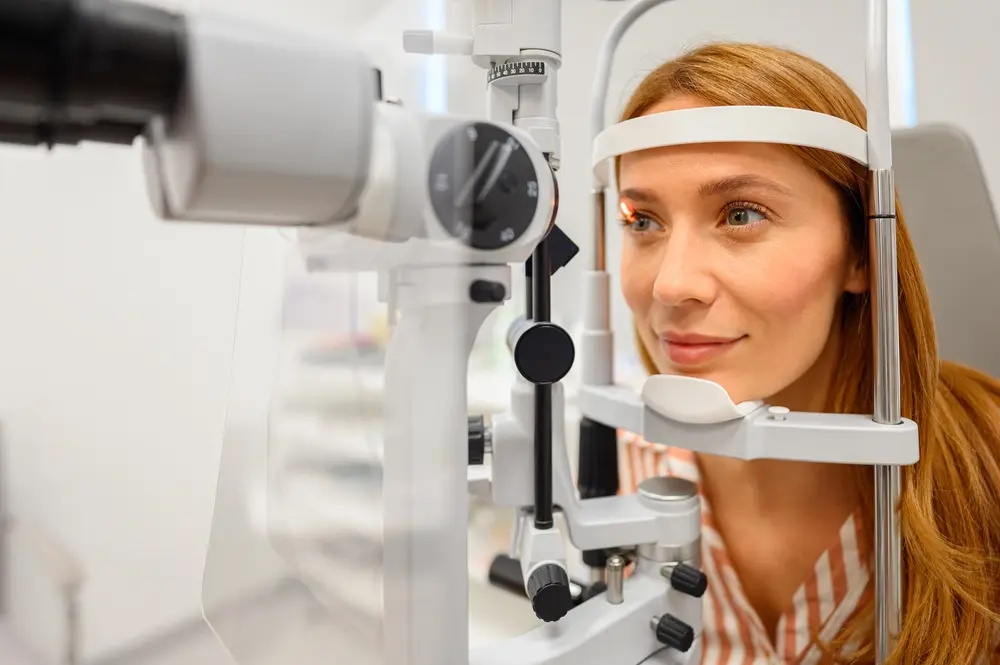
A slit lamp examination of the lids, cornea, iris and lens, plus a pressure reading. This is where dry eye, early cataract change and pressure that points toward glaucoma are first seen.
An optional add-on for $39: a high-resolution photograph of the retina, macula and optic nerve, which gives the doctor a recorded view of the back of the eye. Some insurance plans cover it; ask when you book.
The findings explained in plain language, then whatever follows: glasses, contacts, a dry eye plan, a referral, or a date to come back. Frames and lenses are fitted in the same shop.
The American Optometric Association recommends an exam at least every two years for healthy adults under 65 and every year after that, with annual exams for anyone at higher risk. Any of the following moves you into the sooner group.
Your symptoms, your general health, medications, family eye history and what you use your eyes for all day. Several common medications affect the eyes, so the list matters.
Automated readings give the doctor a starting point, the pressure inside each eye is measured, and, if you choose the retinal imaging add-on, the retina is photographed.
The refraction is refined by hand, then the front and back of each eye are examined under magnification. If the doctor needs a wider view of the retina, dilating drops are used and you are told first; bring sunglasses in case.
The doctor walks through what was found, what has changed since your last exam where there is a record, what it means, and what to do about it.
If you need eyewear, an optician fits frames and lenses in the same shop. A contact lens fitting is its own appointment and fee. Follow-ups are booked before you leave.
Book online in about a minute, or call (310) 305-2950. Sunday appointments are available.
A school screening checks distance sight and little else, so focusing, tracking and eye-teaming problems that affect reading slip through. A child's exam tests those alongside the prescription, and watches nearsightedness year over year, because it tends to climb through the school years, and myopia management to slow it is offered here. Children are seen from age 3.
This is the decade screens show up in the exam: dry, tired eyes by mid-afternoon and headaches that feel like fatigue. The prescription is checked at the working distances you use, contact lens fit and comfort are reviewed, and retinal imaging is offered as an add-on if you want a baseline on record.
Reading vision changes after 40 and the risk of cataracts, glaucoma and macular degeneration rises with each decade. Exams lean harder on pressure testing and imaging, with shorter intervals when early change is seen, and real time on progressive lenses so reading and distance both work.
Two visits can look identical in the chair and bill to different insurance. Which one applies depends on the reason you came in, not on what the doctor finds.
Not sure which one your visit falls under? Call us at (310) 305-2950 and we will check your benefits before you come in.
| Routine eye exam | Medical eye visit | |
|---|---|---|
| Why you came | Yearly exam, blurry vision, new glasses or contacts | A symptom or condition: red eye, dry eye, floaters, an injury, diabetes |
| Bills to | Your vision plan | Your medical insurance |
| What you pay | The vision plan copay | Medical copay; a deductible may apply |
| Refraction | Included | Sometimes billed separately |
| Follow-up | Once a year | As often as the condition needs |
| Retinal imaging | Optional, $39 | Optional, $39 |
A vision screening at school, at work or at the DMV usually tests one thing: how well you read a chart at distance. The American Optometric Association lists that as the first of three limits, alongside untrained staff and the equipment on hand. A screening says nothing about how your eyes focus up close, whether they work together, or the state of the retina and optic nerve. Passing one is not the same as having healthy eyes, and the conditions that cost people vision are the ones with no symptoms early on.

A single exam is a snapshot. Two, a year apart, are a trend. A slightly larger cup at the optic nerve, a new deposit at the macula, a small hemorrhage that points to blood pressure: none of these announce themselves, and all of them are easier to judge against last year's findings than on their own. That is why a yearly exam matters even when your vision seems fine.
A routine exam bills to a vision plan. A visit for a symptom or a medical condition bills to medical insurance, and the same eyes can need both in one year. The plans accepted here are listed below; if yours is not, ask, because many plans still reimburse part of an exam with the itemized paperwork we give you.
Call (310) 305-2950 with your plan name before you book and we will tell you what the exam costs you, what is billed separately, and whether a contact lens fitting is covered.
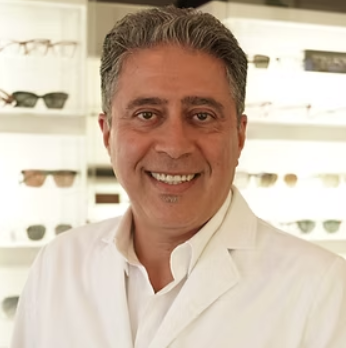
Doctor of Optometry since 1994, with certificates in the treatment and management of ocular disease and of glaucoma.
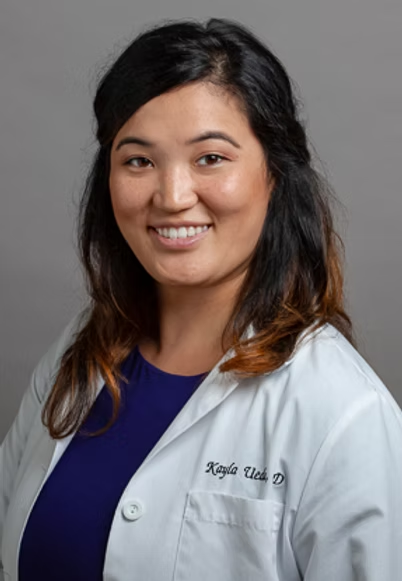
Residency in pediatrics, vision therapy, and neuro-optometric rehabilitation. Glaucoma certified, licensed in California and Washington.
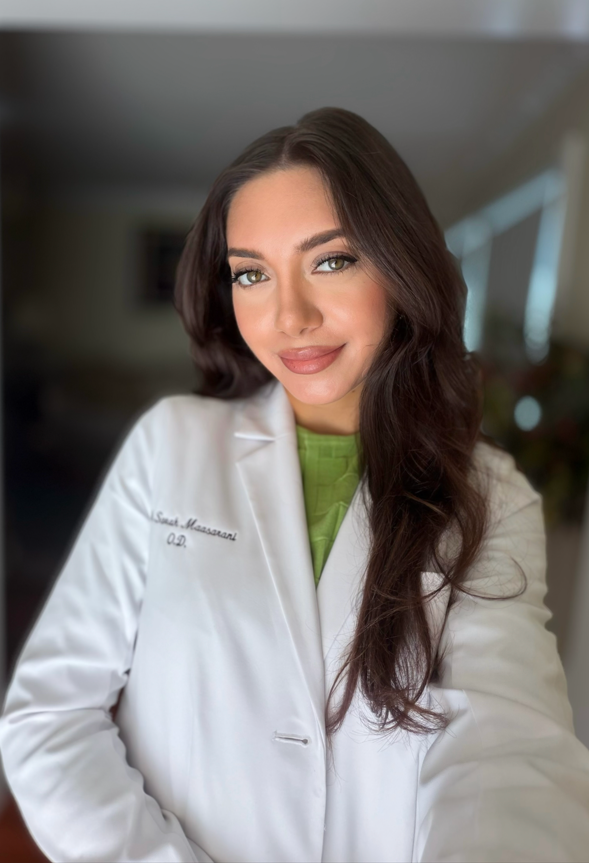
UC Berkeley Doctor of Optometry with a residency in ocular disease. Glaucoma and therapeutic pharmaceutical agent certified.
Office Hours
| Monday | 10:00am – 6:00pm |
| Tuesday | 10:00am – 6:00pm |
| Wednesday | 10:00am – 6:00pm |
| Thursday | 10:00am – 6:00pm |
| Friday | 10:00am – 6:00pm |
| Saturday | 10:00am – 6:00pm |
| Sunday | 11:00am – 4:00pm |
A comprehensive exam includes your history, a visual acuity check, a refraction to set your prescription, tests of how your eyes focus and work together, a pressure reading, and an examination of the front and back of each eye under magnification. At Modo Optometry, retinal imaging is available as a $39 add-on, and some insurance plans cover it.
What most people call a regular eye exam is a vision screening: reading a chart to see whether you need glasses. A comprehensive exam does that and then examines the health of the eye itself, including the pressure, the lens, the retina and the optic nerve. The screening tells you your prescription. The comprehensive exam tells you whether anything is wrong.
The American Optometric Association recommends at least every two years for healthy adults from 18 to 64, every year from 65, and every year at any age for people at higher risk: diabetes, high blood pressure, contact lens wear, a family history of eye disease, or previous eye surgery. Children should be examined before first grade and yearly after that.
Plan on about an hour from check-in to checkout, longer if you choose frames afterward. If your eyes are dilated, the exam itself does not take longer, but your near vision stays blurry for a few hours after you leave.
For an exam, book ahead; an exam takes a room and a doctor for the better part of an hour. Same-week appointments are usually available, and Sunday is an option. For a broken frame or an adjustment, walk in any day. For a red, painful eye or a sudden change in vision, call (310) 305-2950 first and we will fit you in.
Do not leave your current glasses or contact lens boxes at home, because the doctor needs the starting point. Do not stop wearing your contacts unless you are told to for a fitting. Do not skip your medications, and bring a list of them. If dilation is possible, do not plan to drive straight into bright sun without sunglasses.
Only when the doctor needs a wider view of the retina than the photograph gives, and you are told before the drops go in. Dilation widens the pupil for a few hours, so near vision blurs and light feels bright. Bring sunglasses, and if you know you will be dilated, consider not driving yourself.
With a vision plan, usually just the plan’s exam copay. A visit for a medical reason bills to medical insurance instead, with that plan’s copay and possibly a deductible. A contact lens fitting is a separate fee on top of either. Call (310) 305-2950 with your plan name and you get the number before you book.
No. A contact lens fitting is a separate service with its own fee, because it adds corneal measurements, trial lenses and a follow-up visit to confirm fit and comfort. Most vision plans carry a contact lens allowance that offsets part of it.
Yes. A child’s exam tests focusing, tracking and eye teaming as well as the prescription, picks up a lazy or turned eye early, and tracks nearsightedness through the school years. Tell us your child’s age when you book so the right amount of time is set aside.
The vision and medical plans accepted are listed on this page. If yours is not there, call (310) 305-2950; many plans reimburse part of an exam out of network, and you leave with the itemized paperwork to claim it.
Your current glasses, your contact lens boxes or prescription, your vision and medical insurance cards, a photo ID, and a list of medications. If you have been treated for an eye condition elsewhere, records from that office help set an accurate baseline.
Three optometrists, seven days a week, in Marina del Rey. Book online or call (310) 305-2950 and we will find a time that fits.