A stye, or hordeolum, is a painful red lump on the eyelid, usually caused by a bacterial infection at the base of a lash or in an oil gland. Most go away on their own, and warm compresses can help. At Modo Optometry in Marina del Rey, a stye that is growing, very painful, or not going away is seen the same day during business hours, seven days a week. Call (310) 305-2950 first.
A stye is a sore, red bump on the eyelid that can look like a pimple. Most are caused by bacteria, often staph, infecting a lash follicle or one of the small oil glands that line the lids. The medical name is hordeolum.
There are two kinds. An external stye starts at the base of an eyelash, on the edge of the lid, and is the more common type. An internal stye forms inside the lid, in one of its oil glands.
Styes rarely threaten vision, and many clear up without treatment. It needs an eye doctor when it keeps growing, when redness spreads past the lid, or when styes keep coming back.
Rubbing or touching your eyes before you have washed your hands is one of the habits tied to styes.
Going to bed with eye makeup on, or using mascara and liner past their expiry, raises the risk.
Lens wear itself is a risk factor, and handling lenses with unwashed hands or skipping the disinfecting step adds to it.
Blepharitis, a lasting irritation of the lid margins, makes styes more likely. So does a past stye.
People with rosacea or seborrheic dermatitis get styes more often.
Diabetes is on the list of conditions that make a stye more likely.
These are the signs most people notice first.
Your symptoms, how long the bump has been there, and any general health problems that could be contributing.
The doctor checks the shape of the lid, the skin, and the lashes, then looks closely at the lid edge and the base of the lashes with a bright, magnified view.
The exam helps tell a stye from a chalazion, a blocked oil gland that is usually painless. The two can be hard to tell apart by eye alone.
You leave with written instructions for care at home and for when to come back.
Painful bump on your eyelid? Call (310) 305-2950. Same-day visits, seven days a week.
Most styes heal on their own. A clean washcloth soaked in warm water and held on the closed lid several times a day is the first step, warm but not hot enough to burn the skin. Clean the lid gently and keep your hands off it in between. Skip eye makeup until it heals, and ask your eye doctor whether to take a break from contact lenses. Do not squeeze it or try to make it burst, because pressing on it can push the infection further into the lid. When the infection needs more than home care, an eye doctor can prescribe an antibiotic ointment or drops. If a stye lingers or starts to affect your sight, it may need to be drained in a minor procedure with the area numbed.
Book a visit if warm compresses are not helping or the bump is getting bigger or more painful. Styes that keep coming back, a lid swollen shut, bleeding or pus from the bump, or any change in how well you see are also reasons to come in. Redness that spreads from the lid to the cheek or elsewhere on the face is a reason to call an eye doctor right away.

A visit for a stye is a medical visit. It bills to your medical insurance, not to a vision plan, with that plan's copay and possibly a deductible.
Medicare and Blue Shield are in network for medical eye care. Bring your medical insurance card and a photo ID.
Plan not in network, or no insurance? You leave with an itemized bill, which an out-of-network plan may partly reimburse. Call (310) 305-2950 and ask before you come in.
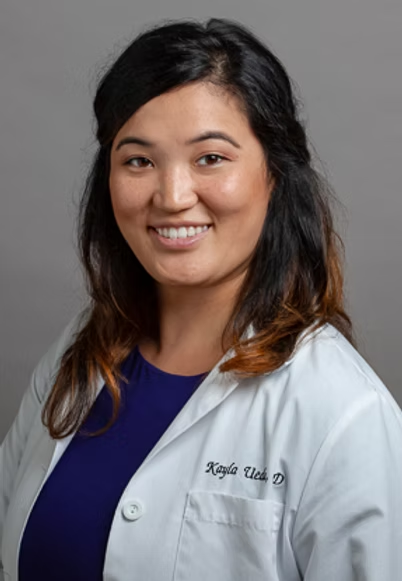
Doctor of Optometry since 1994, with certificates in the treatment and management of ocular disease and of glaucoma.
Residency in pediatrics, vision therapy, and neuro-optometric rehabilitation. Glaucoma certified, licensed in California and Washington.
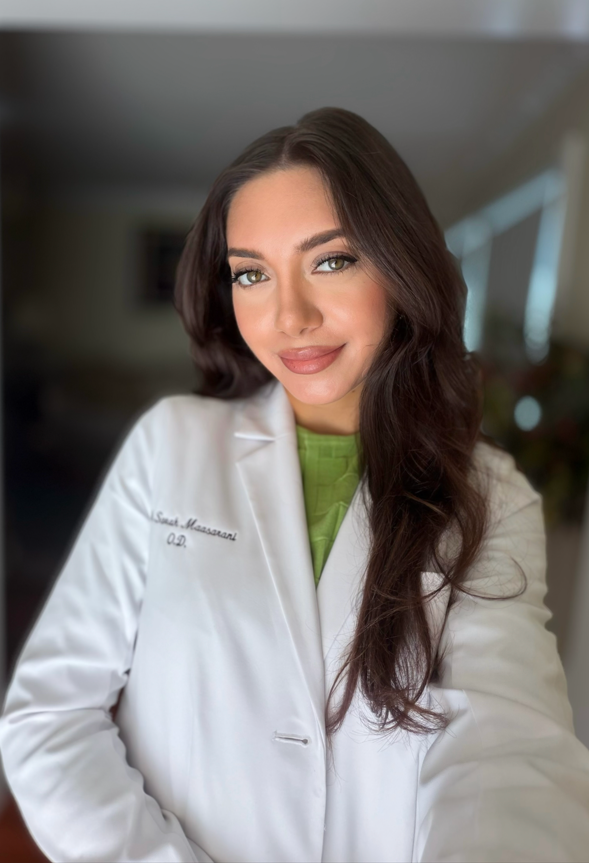
UC Berkeley Doctor of Optometry with a residency in ocular disease. Glaucoma and therapeutic pharmaceutical agent certified.
Office Hours
| Monday | 10:00am – 6:00pm |
| Tuesday | 10:00am – 6:00pm |
| Wednesday | 10:00am – 6:00pm |
| Thursday | 10:00am – 6:00pm |
| Friday | 10:00am – 6:00pm |
| Saturday | 10:00am – 6:00pm |
| Sunday | 11:00am – 4:00pm |
An optometrist can diagnose a stye and prescribe treatment for it. At Modo Optometry a stye is seen the same day during business hours. Call (310) 305-2950.
It is the medical term for a stye. Staph bacteria, most of the time, infect an oil gland or lash root along the lid, and a tender, pimple-like swelling forms.
An external stye forms at the base of an eyelash on the outer edge of the lid and is the more common kind. An internal stye forms inside the lid, in one of its oil glands.
A chalazion can look very similar. That is a clogged oil gland, not usually an infection, so it tends not to hurt, and it usually sits farther back on the lid than a stye, which forms right at the lashes and is sore. Because the two can look alike, an eye doctor can tell you which one you have.
Hold a clean washcloth soaked in warm water on the closed eyelid several times a day, keep the lid clean, and keep your hands off it. Skip eye makeup until it heals, ask your eye doctor about pausing contact lenses, and do not squeeze or pop it.
Do not squeeze it out yourself. Most styes heal with warm compresses and time. One that lingers or affects your sight may need to be drained in a minor procedure, with the area numbed first.
Not usually from person to person, but the bump carries bacteria. Keep your hands clean whenever they go near your face, and keep your eye makeup to yourself.
Keep your hands clean around your eyes, take your eye makeup off every night, and replace old mascara and liners rather than keeping them or passing them around. Contact lens wearers should handle and disinfect lenses with clean hands. If you have blepharitis, keep up the lid care your eye doctor sets out.
Call Modo Optometry at (310) 305-2950 and come in the same day, seven days a week during business hours. Do not squeeze the stye, and bring your medical insurance card.