Myopia management is care that aims to slow how fast nearsightedness gets worse while a child's eyes are still growing. Ordinary glasses and contact lenses make distance vision sharp but do not slow it. Modo Optometry offers myopia management for children with MiSight contact lenses, Stellest spectacle lenses, or atropine eye drops, chosen with the doctor.
Myopia management is treatment meant to slow nearsightedness from getting worse in a growing child, rather than only correcting the blur. Nearsightedness tends to worsen as the eyeball lengthens. Retinal detachment, glaucoma, and cataract are all more likely later on when nearsightedness is severe.
At Modo Optometry, a child's nearsightedness is measured every year to see how fast it is changing. When it is climbing, the doctor explains the options offered here and which one suits your child.
Glasses with a clear center for distance; the outer part of the lens puts side vision out of focus, a cue that may slow the eye's growth. Authorized by the FDA for children ages 6 to 12 and worn full time while awake.
Soft lenses replaced every day, with rings that sharpen distance vision and defocus side vision. MiSight was the first contact lens the FDA approved to slow myopia in children, and it is prescribed from age 8.
Drops used once a night, at bedtime, for children from about age 5. For myopia they are prescribed off label and prepared by a compounding pharmacy.
Myopia management is for a child whose nearsightedness is getting worse, especially a child at higher risk of it progressing:
It starts with a full exam that measures the prescription and checks the health of the eyes. Children's exams here start at age 3.
Nearsightedness is measured every year, so the doctor can see how fast it is moving.
When it is climbing, the doctor explains MiSight lenses, Stellest lenses, and atropine drops, and which one suits your child.
Each option depends on steady use: the glasses through waking hours, the contact lenses most days, the drops every night.
A child on treatment to slow myopia may need more frequent visits and testing than one yearly exam.
Book an eye exam online, or call (310) 305-2950, to see how fast your child's nearsightedness is changing.
Myopia management can slow how fast nearsightedness worsens, but it does not reverse it, and the evidence differs by option. Stellest glasses and MiSight lenses have FDA authorization to slow myopia in children. Low-dose atropine drops may slow it too, though trial results have been mixed and the best strength is still being studied; when the drops stop, progression can pick up again.

Insurance may not cover myopia management in full; for MiSight lenses, a vision plan's contact lens allowance may help.
Modo Optometry is in network with VSP, EyeMed, Blue Shield, and Medicare. Call (310) 305-2950 to confirm coverage before booking.
Plan not in network, or no insurance? You leave with an itemized receipt carrying the codes your plan needs for reimbursement.
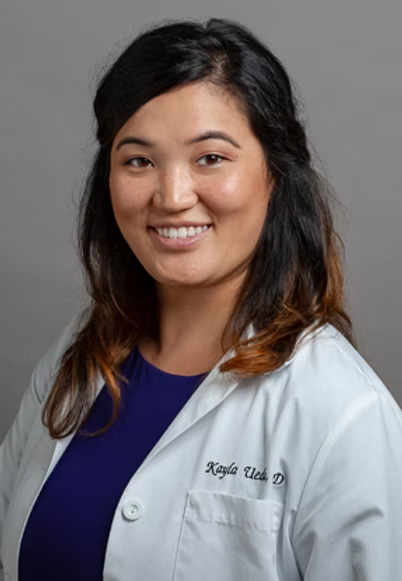
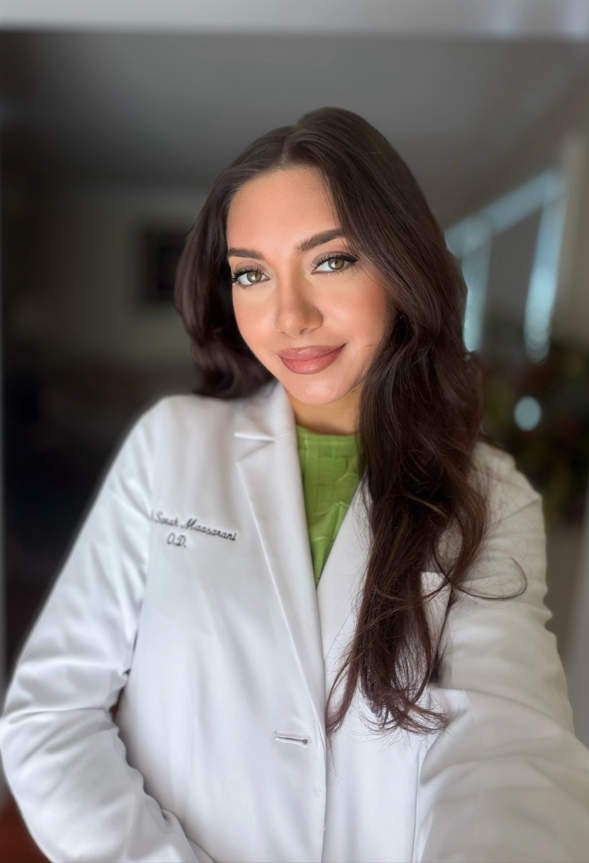
Doctor of Optometry since 1994, with certificates in the treatment and management of ocular disease and of glaucoma.
Residency in pediatrics, vision therapy, and neuro-optometric rehabilitation. Glaucoma certified, licensed in California and Washington.
UC Berkeley Doctor of Optometry with a residency in ocular disease. Glaucoma and therapeutic pharmaceutical agent certified.
Office Hours
| Monday | 10:00am – 6:00pm |
| Tuesday | 10:00am – 6:00pm |
| Wednesday | 10:00am – 6:00pm |
| Thursday | 10:00am – 6:00pm |
| Friday | 10:00am – 6:00pm |
| Saturday | 10:00am – 6:00pm |
| Sunday | 11:00am – 4:00pm |
Regular glasses do not slow myopia: single-vision glasses and contact lenses make distance vision clear but do not change how fast it progresses. Myopia management uses lenses or drops designed to slow it.
The age myopia stops getting worse is usually the early twenties, according to the National Eye Institute. Cleveland Clinic says it tends to plateau by the late teens.
The age a child can start myopia management depends on the option: atropine drops from about age 5, Stellest glasses for ages 6 to 12, and MiSight lenses from age 8. Children’s exams here start at age 3, and children 5 and under see Dr. Kayla Ueda.
Side effects of atropine drops for myopia can include larger pupils, light sensitivity, blurry vision up close, and red or itchy skin around the eye. At the low doses used, they are uncommon.
Ortho-k for myopia is not offered at Modo Optometry; it uses rigid lenses, worn during sleep, that flatten the cornea. The myopia management options here are MiSight contact lenses, Stellest spectacle lenses, and atropine eye drops.
Myopia management starts with a comprehensive eye exam that measures your child’s prescription. Book online or call (310) 305-2950; children 5 and under see Dr. Kayla Ueda.
Seven days a week in Marina del Rey. Book online or call (310) 305-2950.