Vision therapy is a program of eye exercises that an eye doctor prescribes and oversees to help the eyes and brain coordinate. It is the main treatment for convergence insufficiency, where the eyes struggle to team up for close work like reading. Modo Optometry offers vision therapy for children whose eyes do not focus, track, or work together comfortably.
Vision therapy is a set of eye activities, chosen by an eye doctor, that trains how the eyes move, focus, and work together. It does not make blurry eyes see sharper the way glasses do. It trains aiming both eyes up close, shifting focus from near to far, and following print.
Dr. Kayla Ueda completed a residency in pediatrics, vision therapy, and neuro-optometric rehabilitation.
The eyes do not turn inward enough for close work, so reading brings tired eyes, blur, double vision, or headaches.
A concussion or other brain injury often leaves convergence insufficiency behind. Vision care after a concussion or head injury is offered here.
Eye exercises do not correct nearsightedness, farsightedness, or astigmatism.
Vision therapy is for someone whose eye exam finds convergence insufficiency or a similar problem with how the eyes team up, and it is causing symptoms during reading or other close work:
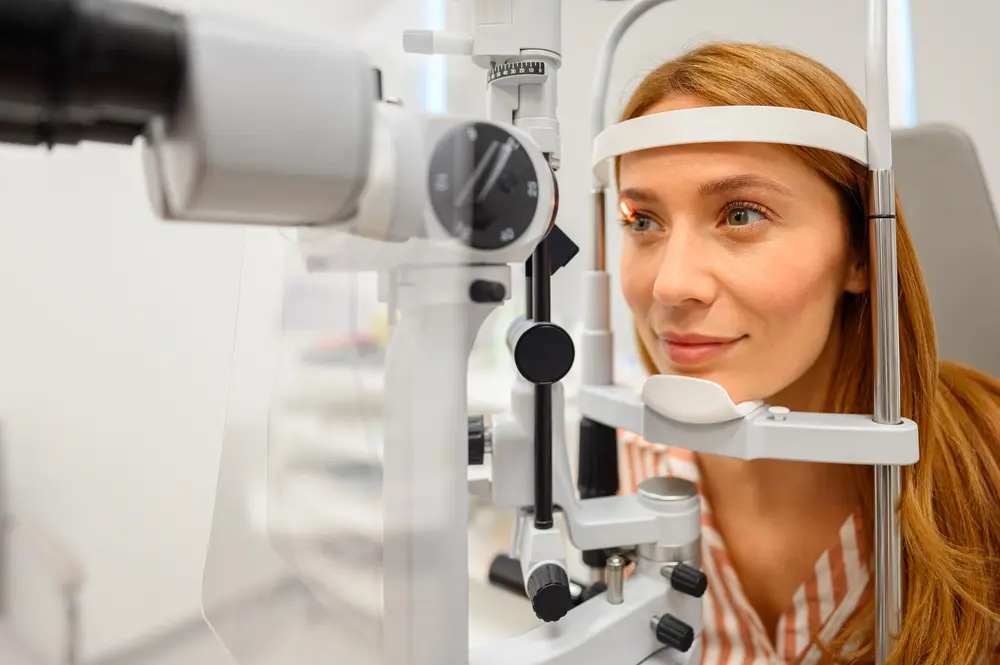
Vision therapy starts with an exam that checks how clearly each eye sees, eye health, and how the eyes work together.
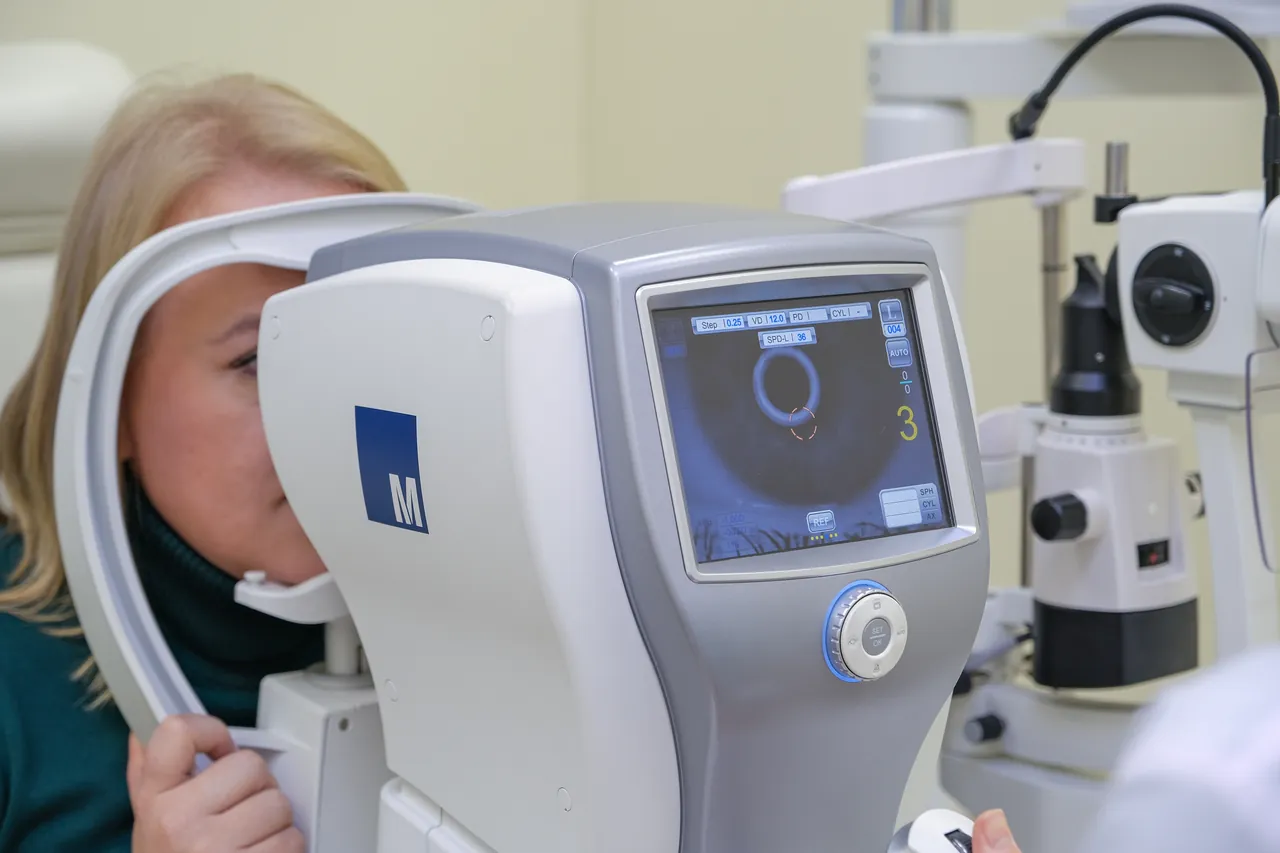
Tests for convergence insufficiency measure how close an object can come before the eyes stop pointing together, and how quickly focus moves between a near target and a far one. A regular eye chart test can miss these problems.
If therapy is the right treatment, the doctor explains what it involves and what to practice. Not every patient with a finding needs exercises.
Vision therapy programs generally combine office exercises with home practice. They train the eyes to aim together and focus at different distances.
Symptoms may not ease for 12 weeks or longer.
Book an eye exam online, or call (310) 305-2950, to find out whether vision therapy fits.
Vision therapy can work for convergence insufficiency: the National Eye Institute names it as the treatment, though 12 weeks or more may pass before a change shows. Beyond that condition the professional bodies split. The American Optometric Association says research supports it for eye movement, eye teaming, focusing, amblyopia, strabismus, and vision problems after a brain injury, while the American Academy of Ophthalmology says convergence insufficiency is the only condition where eye exercises may help, with no adequate scientific evidence that they treat learning disabilities.
Vision therapy can be done partly at home, as part of a program an eye doctor prescribes. For convergence insufficiency, a program mixing office sessions and home practice has done best. Results depend on doing the exercises: skipped practice means little change.

Insurance plans often do not pay for vision therapy, so check your plan first.
Modo Optometry is in network with VSP, EyeMed, Blue Shield, and Medicare. Call (310) 305-2950 with your plan name and the front desk will tell you what applies before you book.
Plan not in network, or no insurance? You leave with an itemized receipt carrying the codes your plan needs for reimbursement.
Doctor of Optometry since 1994, with certificates in the treatment and management of ocular disease and of glaucoma.
Residency in pediatrics, vision therapy, and neuro-optometric rehabilitation. Glaucoma certified, licensed in California and Washington.
UC Berkeley Doctor of Optometry with a residency in ocular disease. Glaucoma and therapeutic pharmaceutical agent certified.
Office Hours
| Monday | 10:00am – 6:00pm |
| Tuesday | 10:00am – 6:00pm |
| Wednesday | 10:00am – 6:00pm |
| Thursday | 10:00am – 6:00pm |
| Friday | 10:00am – 6:00pm |
| Saturday | 10:00am – 6:00pm |
| Sunday | 11:00am – 4:00pm |
How long vision therapy takes depends on the diagnosis. For convergence insufficiency, a course of active treatment can take 90 days or longer, and symptoms may not ease for 12 weeks or longer.
Common vision therapy exercises include shifting focus between near and far objects, computer-based focusing activities, and bringing a small target slowly toward the nose.
Ophthalmologists may prescribe vision therapy exercises for convergence insufficiency. The American Academy of Ophthalmology says eye exercises are not proven for other conditions, while the American Optometric Association lists several more.
Vision therapy cannot fix nearsightedness: eye exercises do not correct it, or farsightedness or astigmatism. Slowing nearsightedness in children is a separate service, myopia management, which is offered here.
Vision therapy can help after a concussion that leaves convergence insufficiency, a common result of brain injury that can cause eyestrain, blur, double vision, and headaches. Vision care after a concussion or head injury is offered at Modo Optometry.
A school vision screening often misses convergence insufficiency. A child can read the chart clearly and still have trouble with eye teaming, which takes specific tests during an exam.
Vision therapy starts with an eye exam that tests how the eyes work together. Book online or call (310) 305-2950; children 5 and under see Dr. Kayla Ueda.
Seven days a week in Marina del Rey. Book online or call (310) 305-2950.