Have FSA money left for 2026? Many plans expire Dec 31. Use it on an eye exam, glasses or contacts. Book now
Watery eyes happen when the eyes produce more tears than they need, or when the drain that carries tears off is narrowed or blocked. Dry eye, allergies, a blocked tear duct, and eyelid problems are common causes, many cases clear up on their own, and the cause decides the treatment. Modo Optometry sees a watering eye the same day, seven days a week. Call (310) 305-2950.
Watery eyes, called epiphora, means there are more tears in and running from the eyes than normal, in one eye or both. Either the eye makes extra tears, or the drain that carries them off is narrowed or blocked.
Tears drain through small openings at the inner corners of the lids and down a duct into the nose.
Dry eye is one of the most common reasons for watering: a dry, irritated surface sets off reflex tears. That is why a main test for a watering eye is whether it is too dry.
Brief watering when you laugh, yawn, or strain your eyes is normal. Constant watering is more common in babies and in adults over 50.
Watery eyes are caused by dry eye, allergies and irritants, a blocked tear duct, eyelid changes, infection, or something in the eye, and dry eye is among the most common. When tears are too few or of poor quality, the irritated surface makes extra tears as a reflex to make up for it.
Allergies to dust, mold, or pet dander, and irritants such as smoke, smog, wind, or bright light, set the eyes watering.
A tear duct that is partly or fully blocked keeps tears from draining, so they spill over. Watering from one eye only is a reason to consider a blockage. In adults, the duct can be narrowed by swelling, an infection, a nose injury, or long-lasting sinus trouble.
In older adults, the lower lid can sag away from the eye so tears pool instead of draining, and the small openings that drain tears can narrow. A lid that turns inward or outward, or lashes that grow toward the eye, cause watering too.
Pink eye, inflamed eyelids (blepharitis), a stye, inflammation of the cornea, a cold, or a sinus infection can all make the eyes water.
Dust, sand, or a scratch on the surface makes the eye flood with tears.
The symptoms of watery eyes are a wet feeling in the eyes and tears that collect or spill over with no crying or laughing to explain them. Other symptoms depend on the cause.
Watery eyes are diagnosed with an eye exam and a few questions: when it started, how often, which eye, and whether you wear contacts or have allergies.
The eye doctor looks at the eyelids, the surface of the eye, and how you blink.
Because dryness is so often behind watering, the tears may be tested. When dry eye is suspected, tear film testing at Modo Optometry covers break-up time, volume, surface dye, and the lid glands.
If a blocked duct is suspected, colored drops can show whether tears drain away, and a specialist may use a flushing test or imaging to locate the blockage.
You leave with a prescription, a treatment plan, a date to return, or a referral if a specialist is needed.
Eyes that will not stop watering? Call (310) 305-2950. Same-day visits, seven days a week.
Watery eyes are treated by treating the cause, and many cases clear up with no treatment at all. When the eye is dry or irritated, lubricating drops or a few minutes of warmth on closed lids may ease it. Allergies and infections are treated with medicine. A blocked duct may be opened by probing and flushing, and adults often need surgery to make a new drainage path. A sagging or turned lid can be repaired surgically. At Modo Optometry, dry eye is treated in the office, and anything that needs surgery is referred to a specialist.
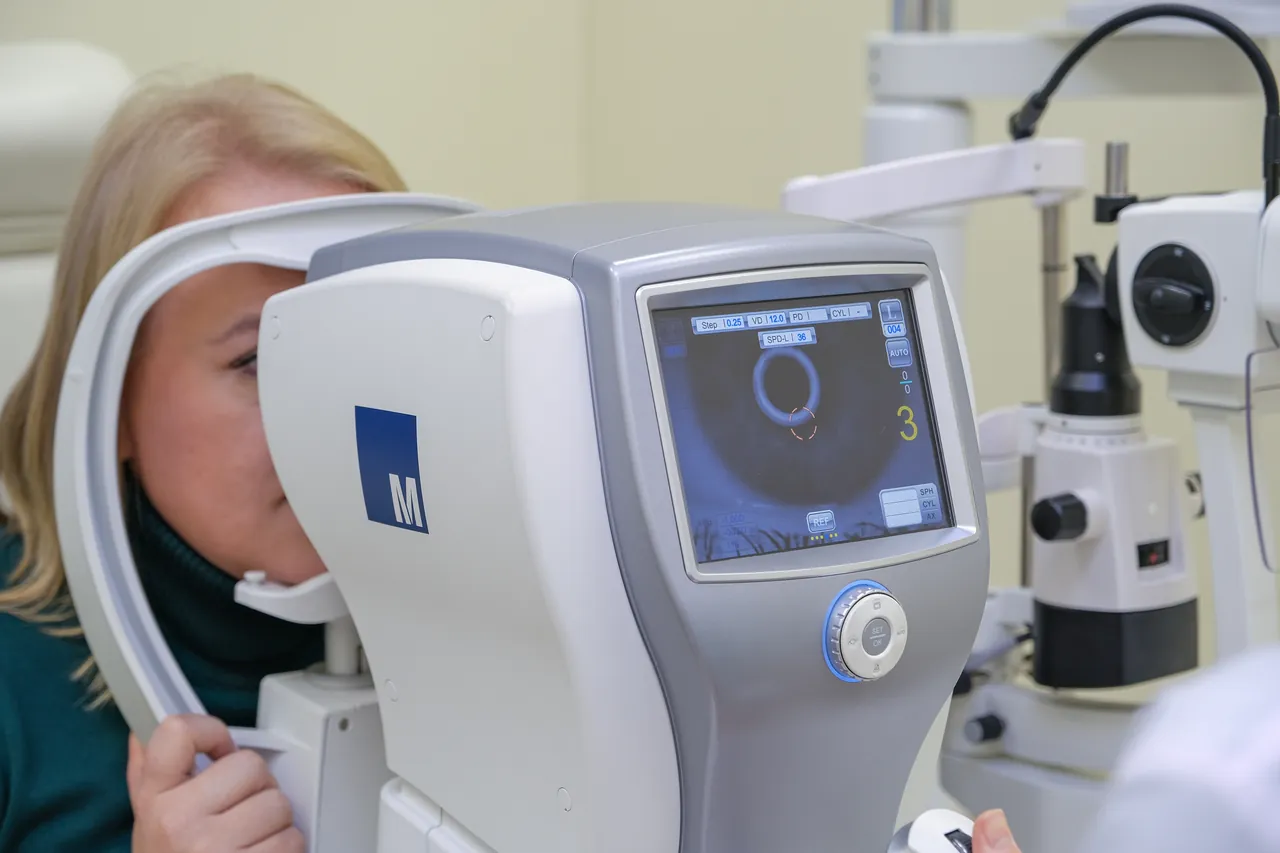
See an eye doctor for watery eyes when the watering lasts, makes it hard to see, or comes with discharge, something in the eye, or tenderness near the nose; get seen right away for worse vision or pain around the eye. Watering alone is rarely an emergency. Modo Optometry sees a watering eye the same day during business hours, seven days a week; call (310) 305-2950 first. For a chemical splash, a cut or punctured eye, or sudden loss of vision, go to the emergency room first.

A visit for watery eyes is a medical visit. It bills to your medical insurance, not to a vision plan, with that plan's copay and possibly a deductible.
Medicare and Blue Shield are in network for medical eye care. Bring your medical insurance card and a photo ID.
Plan not in network, or no insurance? You leave with an itemized bill, which an out-of-network plan may partly reimburse. Call (310) 305-2950 and ask before you come in.
Doctor of Optometry since 1994, with certificates in the treatment and management of ocular disease and of glaucoma.
Residency in pediatrics, vision therapy, and neuro-optometric rehabilitation. Glaucoma certified, licensed in California and Washington.
UC Berkeley Doctor of Optometry with a residency in ocular disease. Glaucoma and therapeutic pharmaceutical agent certified.
Office Hours
| Monday | 10:00am – 6:00pm |
| Tuesday | 10:00am – 6:00pm |
| Wednesday | 10:00am – 6:00pm |
| Thursday | 10:00am – 6:00pm |
| Friday | 10:00am – 6:00pm |
| Saturday | 10:00am – 6:00pm |
| Sunday | 11:00am – 4:00pm |
Epiphora is the clinical name for watery eyes: more tears in and running from the eye than normal, from extra tear production or a drain that does not clear them. It can affect one eye or both.
You can stop your eye watering by treating what causes it: for a dry or irritated eye, lubricating drops or warmth on closed lids may ease it. Find the cause before treating it at home, and keep from rubbing the eye or dabbing the eye’s surface while drying tears.
Your eyes water outside in wind or cold because wind and dry air irritate the surface and set off reflex tearing, which is common with dry eye. Watering from a blocked tear duct is also often more noticeable in cold, wind, or sun. Wraparound sunglasses help shield the eyes from wind.
To stop watery eyes in old age, treat the age-related cause, which an eye exam identifies. Lower lids can sag away from the eye, the openings that drain tears can narrow, and tear production tends to drop with age, which can lead to dry eye.
A baby with a watery eye most often has a blocked tear duct, which is common in newborns and usually opens on its own within the first year. A probing procedure may be used if it does not.
Call Modo Optometry at (310) 305-2950 and come in the same day, seven days a week during business hours. Do not rub your eyes, and bring your medical insurance card.